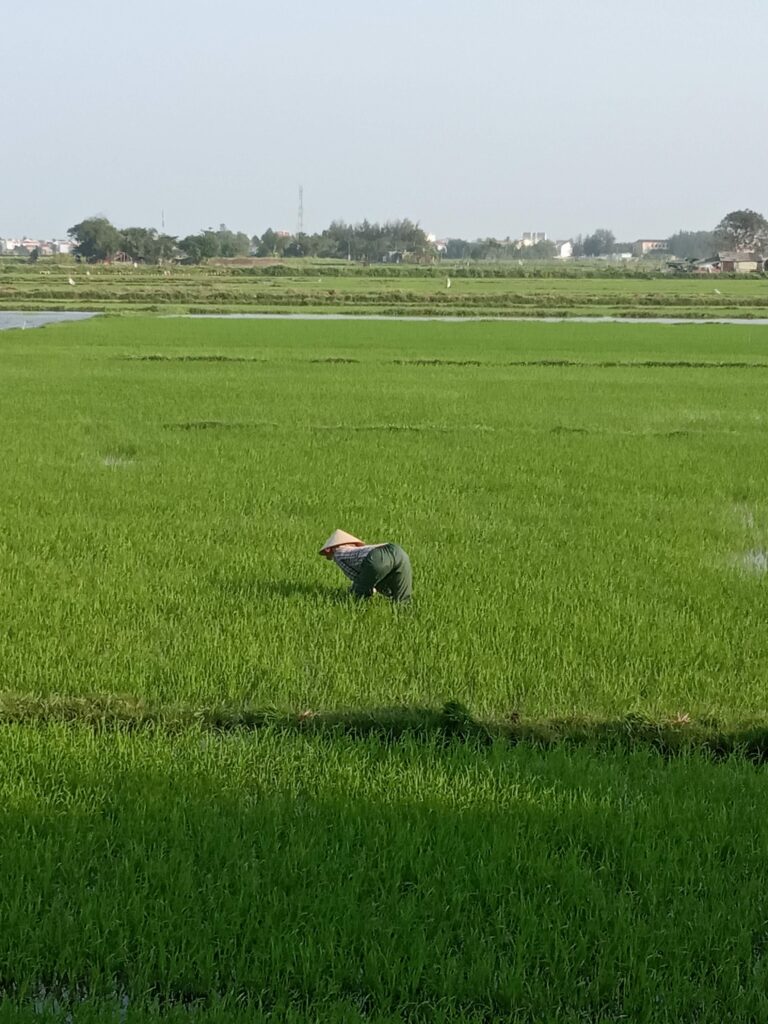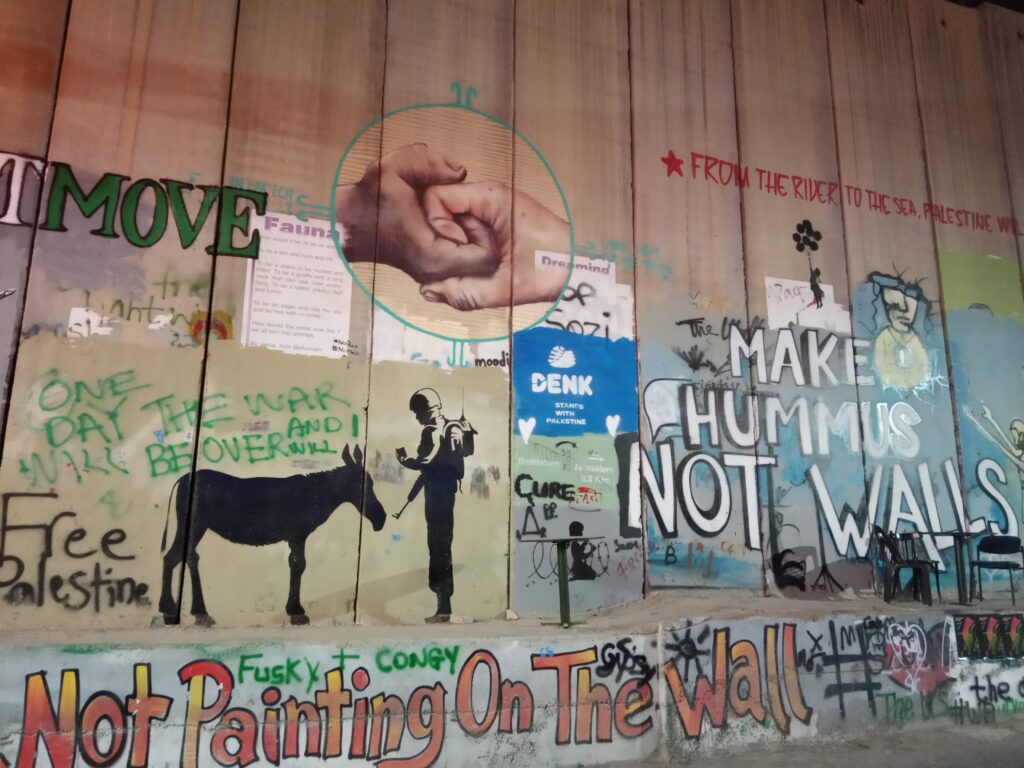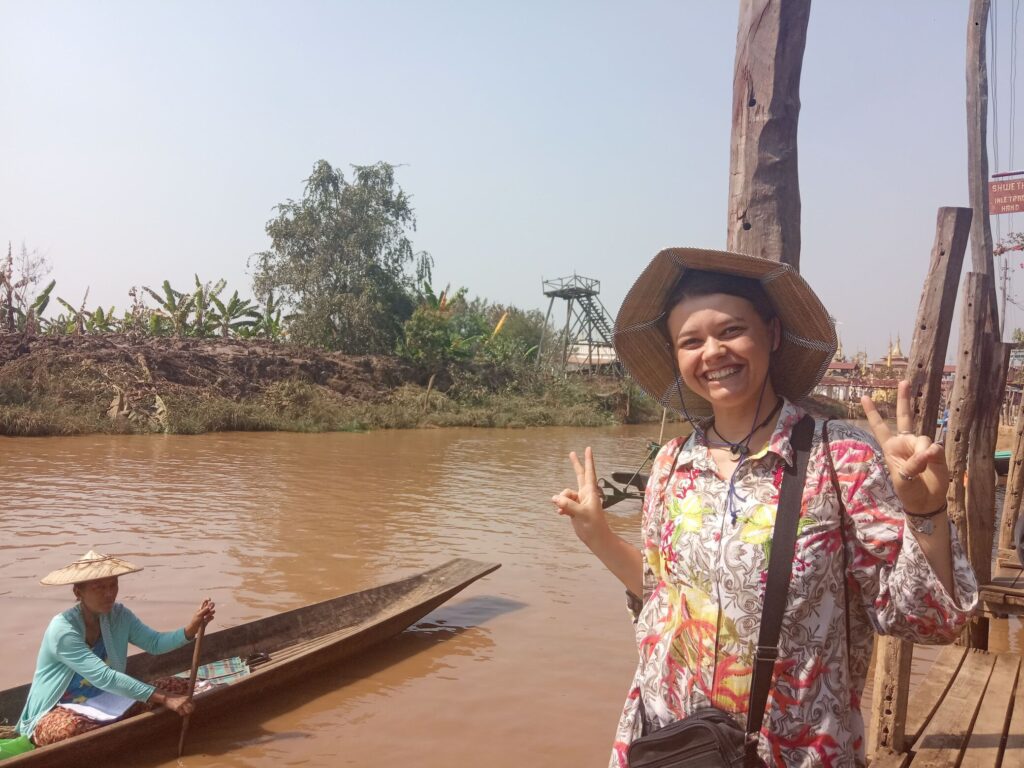
Written during my journey through Laos in February 2020, these pages follow the people and places that stayed with me: quiet days in riverside towns, conversations with locals, the temples of Luang Prabang, and an adventurous day in Vang Vieng. They also hold what I learned at the COPE Visitor Centre in Vientiane about the lasting effects of unexploded bombs.
Did you know this about Laos? – February 14, 2020
We talked a lot about the controversial Vietnam War but did you know that Laos was involved too in this war? Did you know that Laos is the most heavily bombed country in the world per capita in history? I felt really ignorant after I found out about these figures, I hope through this article to bring more awareness on this topic.
From 1964 to 1973, the U.S. dropped more than two million tons of ordnance over Laos during 580,000 bombing missions—equal to a planeload of bombs every 8 minutes, 24-hours a day, for 9 years. The bombing was an effort to fend off the Pathet Lao and North Vietnamese Army. It led to the displacement of hundreds of thousands of civilians within Laos. At least 270 million cluster bomblets were dropped over Laos as part of this bombing campaign, approximately 30% had not exploded. So up to 80 million bombs remained unexploded all over Laos, after the war, mostly in rural areas. Approximately 25% of the villages in Laos are still contaminated with UXO (unexploded ordnance).
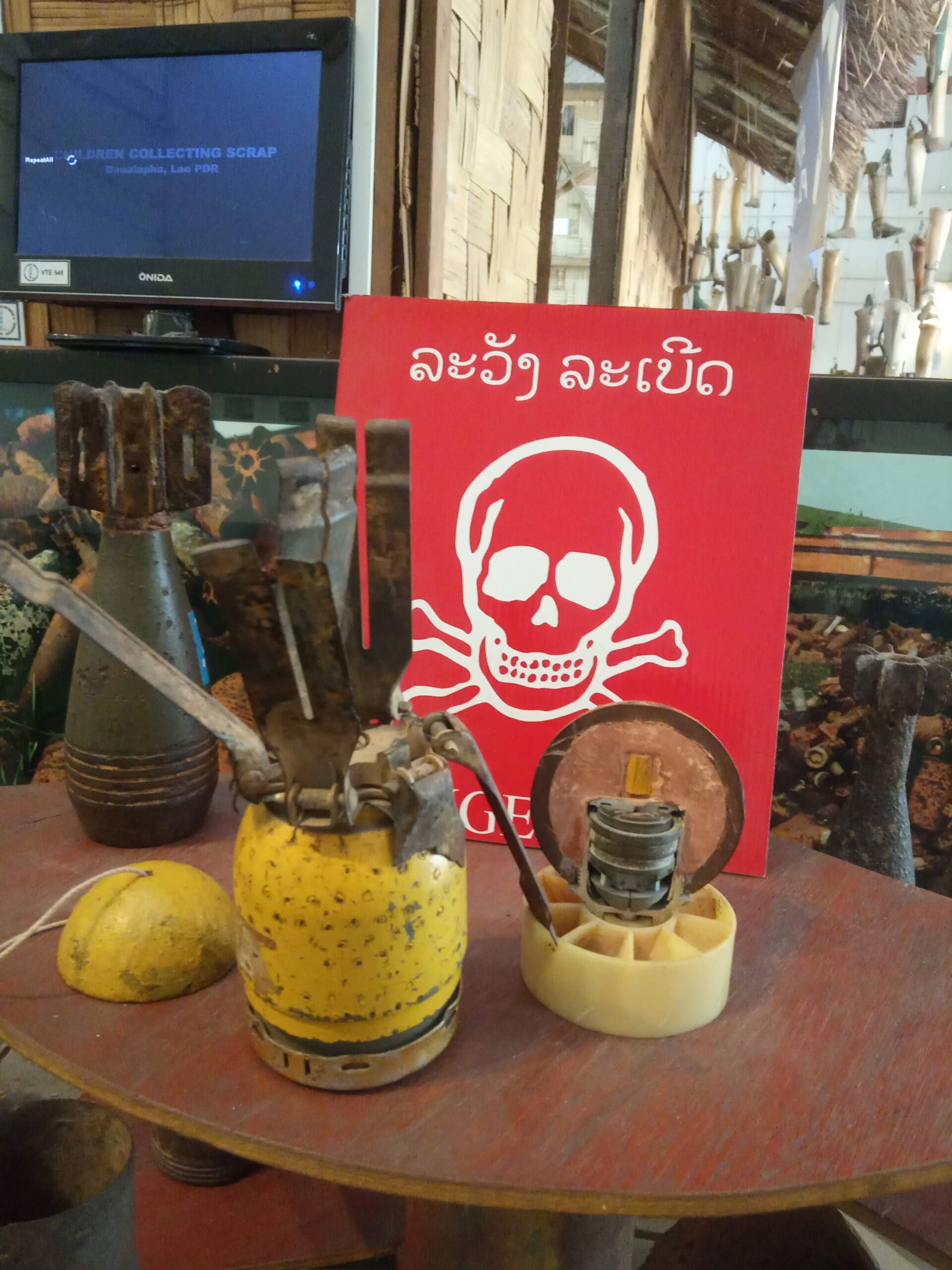
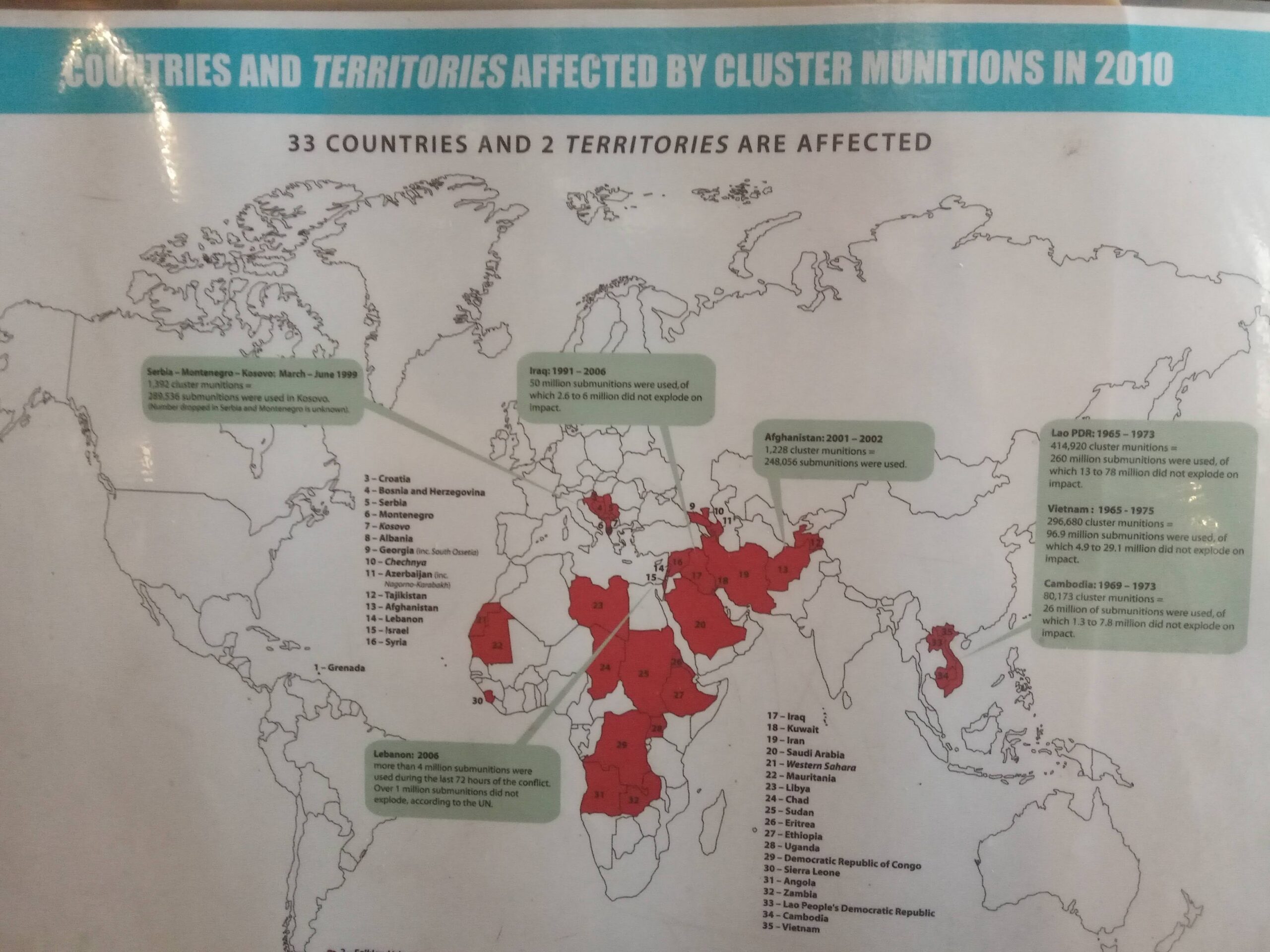
More than 50.000 people have been killed or injured as a result of UXO incidents between 1964 to 2011. And more than 20.000 were killed or injured in the post-war period after 1974. Out of these 20.000: – 13.500 lost a limb, 40% were children. Today, approximately 100 new casualties still occur annually. To address the unexploded ordnance, UXO surveys are conducted in a systematic manner, village by villages, hazardous areas are mapped to be cleared based on local and national priorities. Every day, 3000 women and men, throughout Laos, are conducting surveys and clearance work, locating and destroying hundreds of cluster munition and other explosive remnants.
I was able to learn about these facts by visiting the COPE center (Cooperative Orthotic & Prosthetic Enterprise) in Vientiane. It was founded in 1997 with an agreement between the Ministry of Health and a group of NGOs: POWER International, World Vision and the Cambodian School of Orthotic and Prosthetics. I totally recommend visiting this center because there are much data about the consequences of the war in Laos. You could also find out more about the victims of UXO incidents. I took some time to reflect after this visit because their stories are tragic. It’s not only about the bombies but the infrastructure of Laos and poverty are other factors that contribute to their sad stories. If a kid is hurt by a bombie in a small village, the chances to be saved are really small because the family could have no transportation to the hospital or the closest hospital could be unprepared with blood or oxygen. Most of bombies incidents are happening to kids that are searching for iron to sell or they just play around with these bombies. COPE is helping by informing the villages about UXO and also by providing mobile clinics to the most isolated villages. I kindly invite you to visit their center in Vientiane, you’ll find a meaningful visit.
Saibaydee from Laos! – February 15, 2020
Saibaydee (Lao hello), my dear readers! I’m traveling now in the simply beautiful Laos and I decided to write an article about how I found Laos so far.
I came to Laos by bus from Vietnam and we noticed the first change of scenery when the wheel of the bus exploded 30 minutes after we crossed the border. Laos will welcome you with a not so developed infrastructure, many villages, a lot of wild beautiful nature and very kind, shy people. Laos is an authentic land, you could see the reality of the country even in touristic places. It’s one of the poorest countries in South-East Asia but with one of the most smiling people.
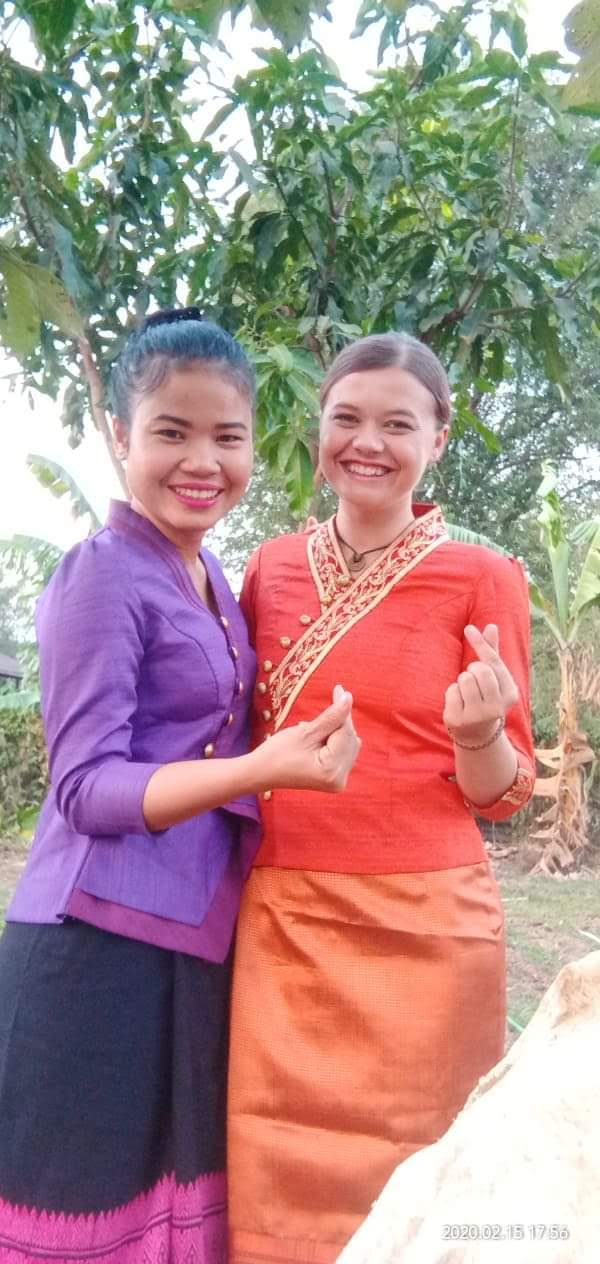
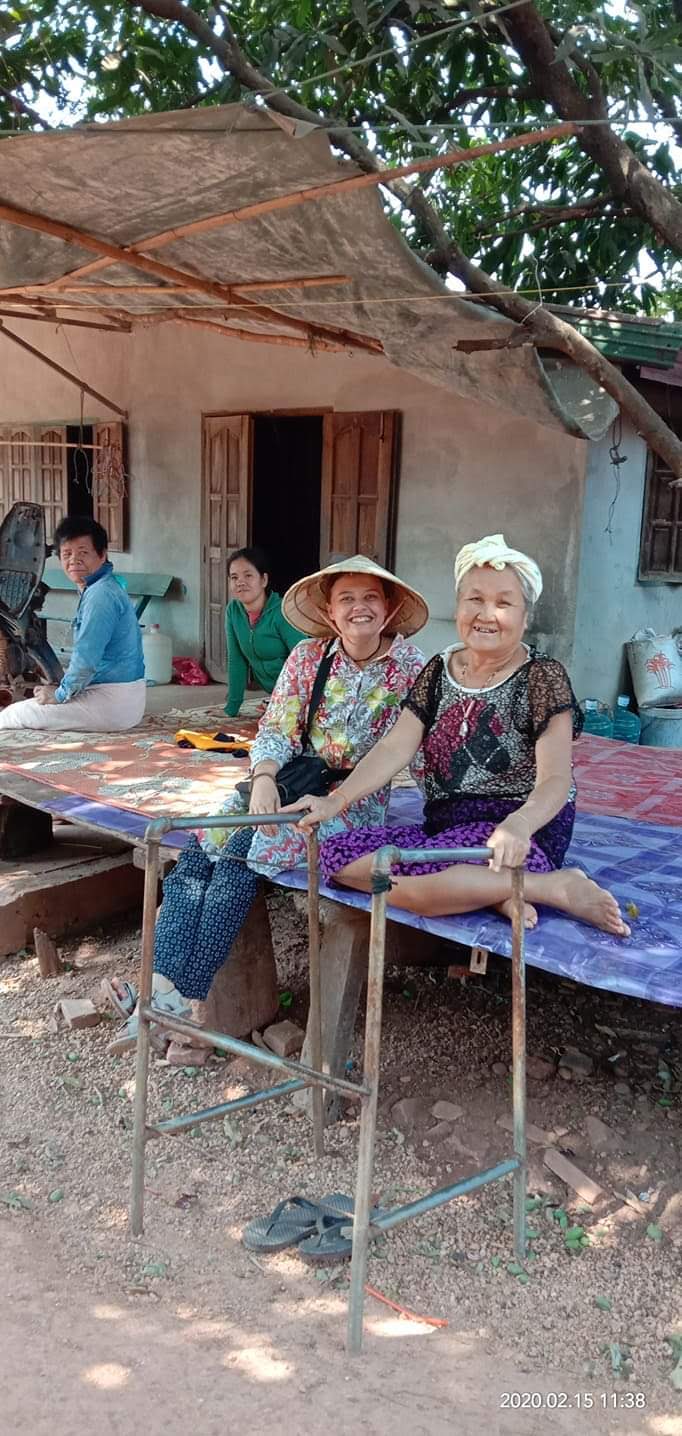
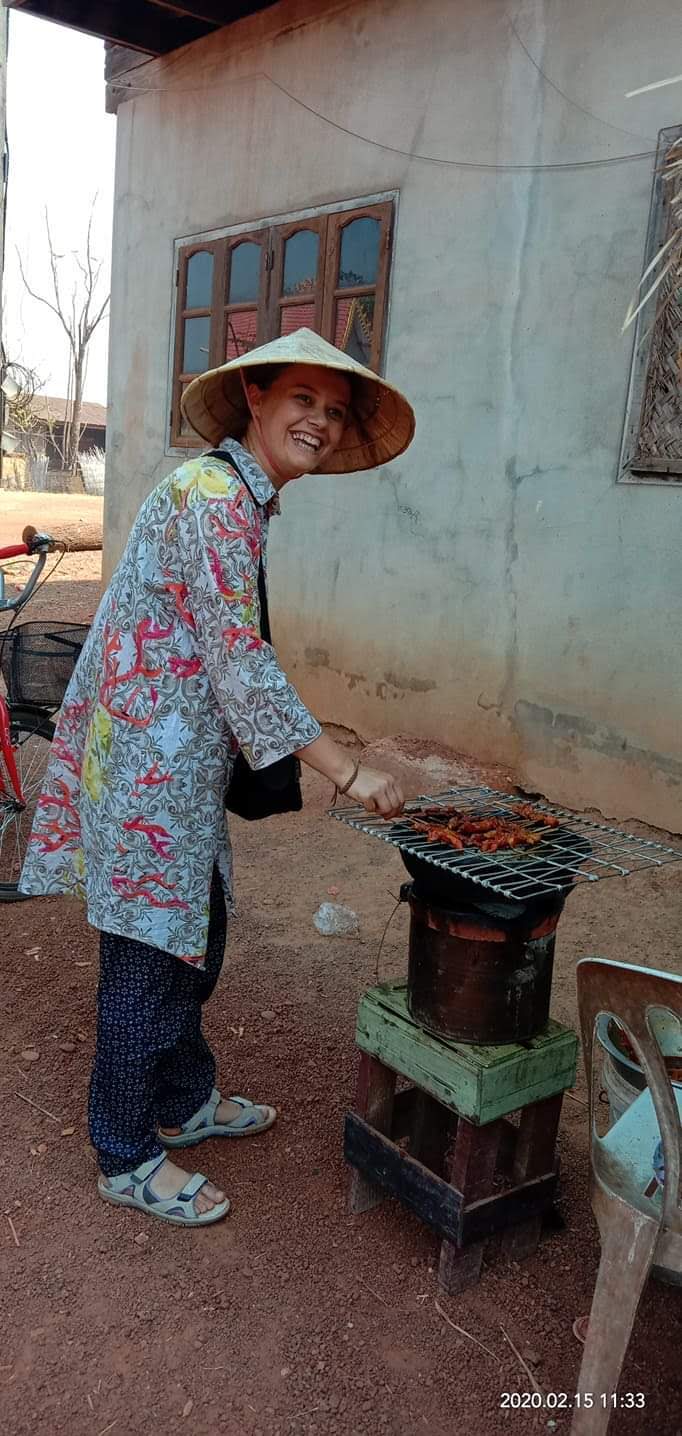
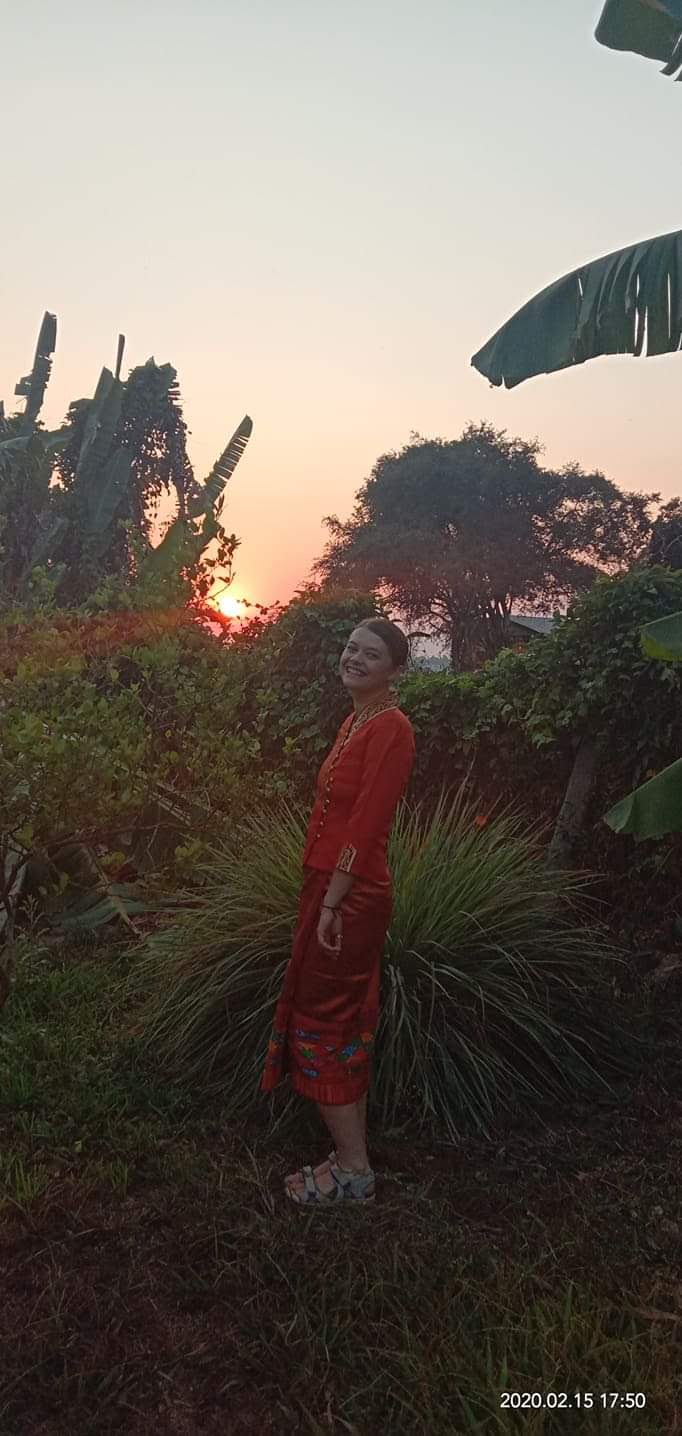
My first part of traveling was about connecting with locals. I had the chance to meet one amazing girl, Phaivan, that gave the chance to explore parts of Laos that are not touristic. There I was the only “falang”, by the way, you’ll hear many times this word when you’ll come to Laos. They used it firstly to talk about the french people, in time “falang” started to be used for all the foreigners, eeeei not all, to respect an expression of a Lao friend: “white men with a big nose”?.
After getting used to this word, I became to say about myself that I’m falang as a method to break the ice when I was meeting locals. Every time they are laughing of this. Lao people are very shy and spiritual when they salute you they bow with hands pressed together at the chest in a nop. In the villages, sometimes they bow so low that you don’t see their faces. They smile with all their face and heart especially when they hear some Lao words from foreigners.
I had the chance to go to a village to meet the grandparents of Phaivan. You feel the time has a different rhythm in rural life… People are more connected with each other and with themselves. You see in front of their houses hammocks or places to relax outside close to the road to see their neighbors and the other people passing by. Imagine their faces when they see a falang walking on the street… Still, I was welcomed very well with kindness, shyness, and curiosity.
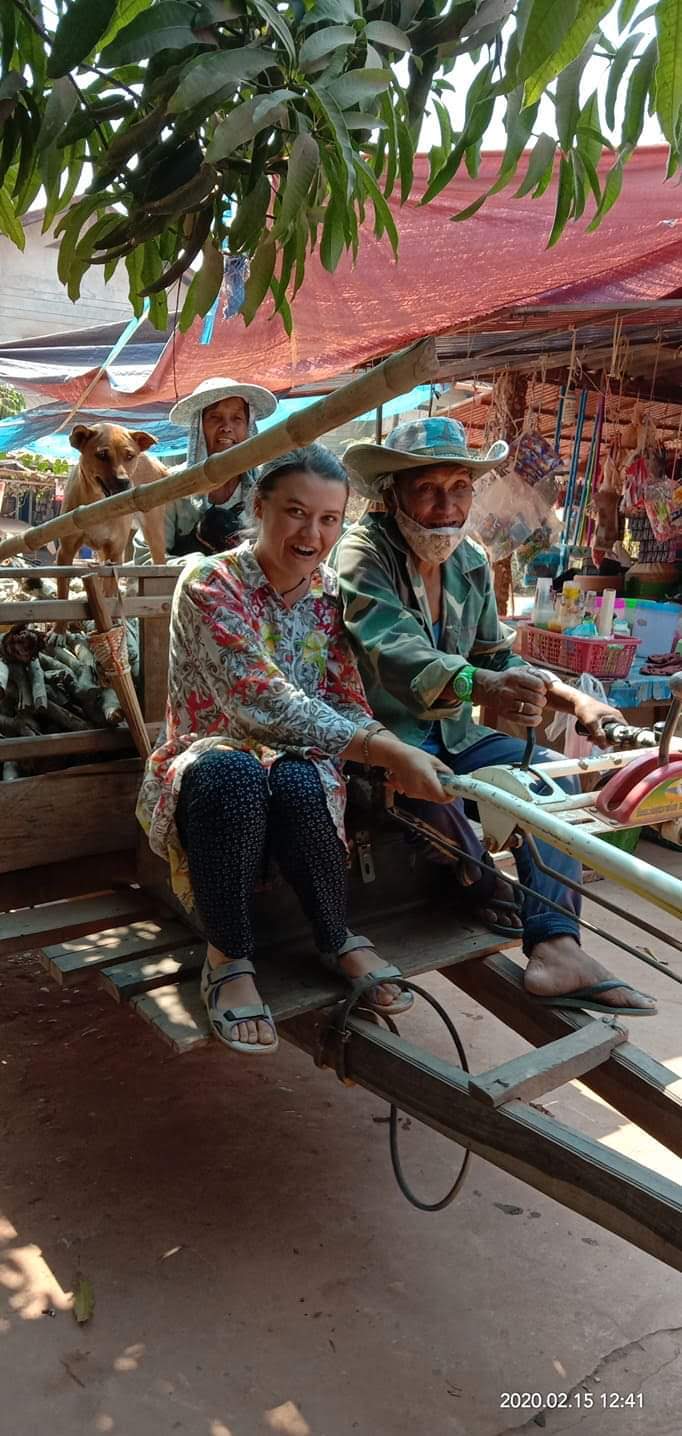
I had the chance to ride the “Iron Buffalo” – the two-wheel tractor used by the Lao villagers in agriculture. I was grateful to eat and talk with them using my poor Lao vocabulary: Saibaidee, Khop Chai (Thank you), Doi (yes / indeed), Khaw Toot (Excuse-me). Of course, I found the matchmaker that promised to marry me with a nice man. It seems I need to come back to continue this discussion because it wasn’t finalized. What could I wish more? Beautiful people, good food, seeing new customs and finding my husband. Laos is real, I love it!
Vang Vieng – a perfect place to face my fears – February 17, 2020
Arriving to Vang Vieng after traveling in non-touristic places in Laos, was a big change for me. Vang Vieng is designed as a party zone for the backpackers, that’s why most of the hostels have pool and bars. I knew this from before so I wasn’t shocked after seeing quiet places in Laos. I wanted to have a stop here because nature here is beautiful and they offer a lot of activities outside. I took this opportunity to try new things here and to face some of my fears, like the fear of water and the fear of height.
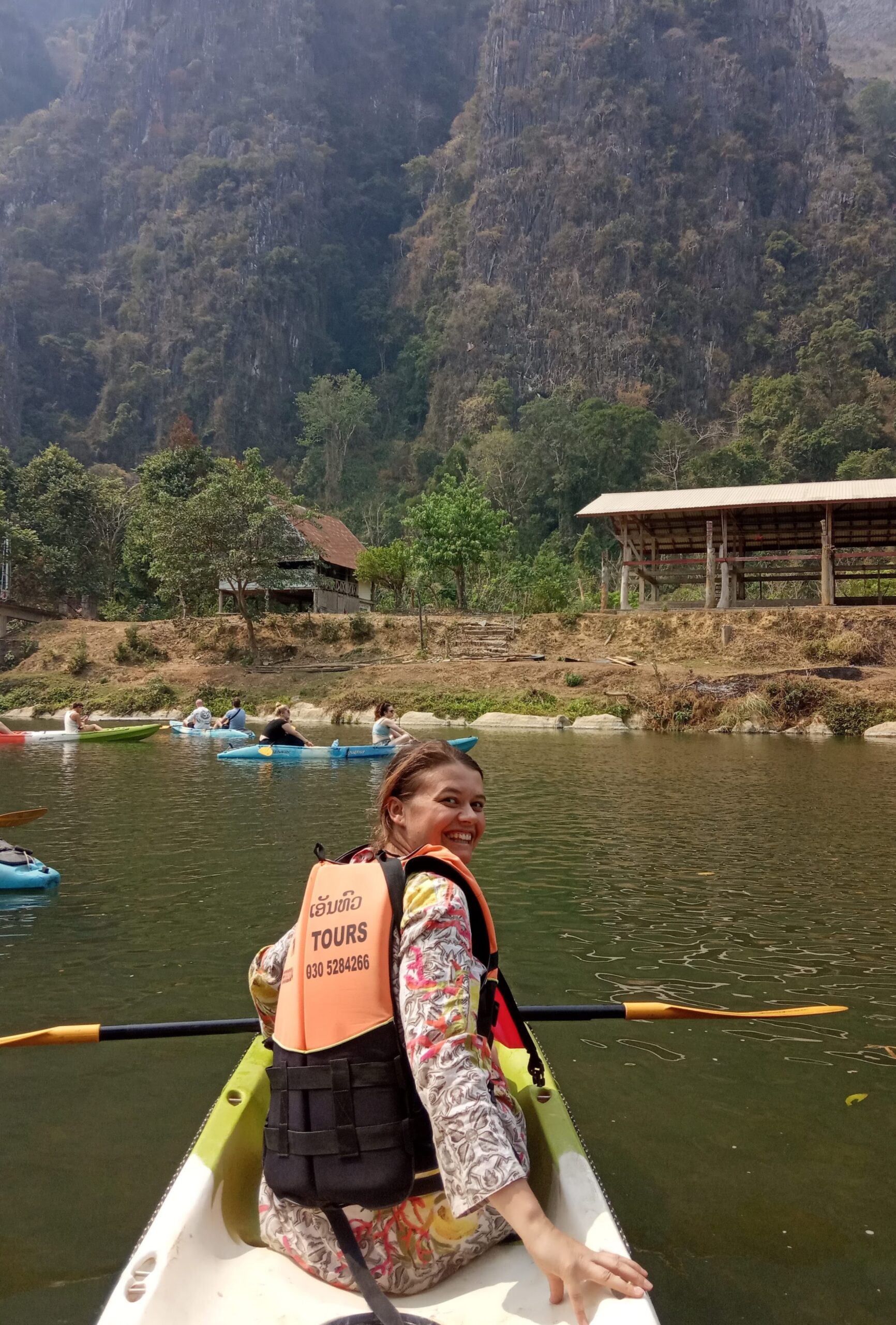
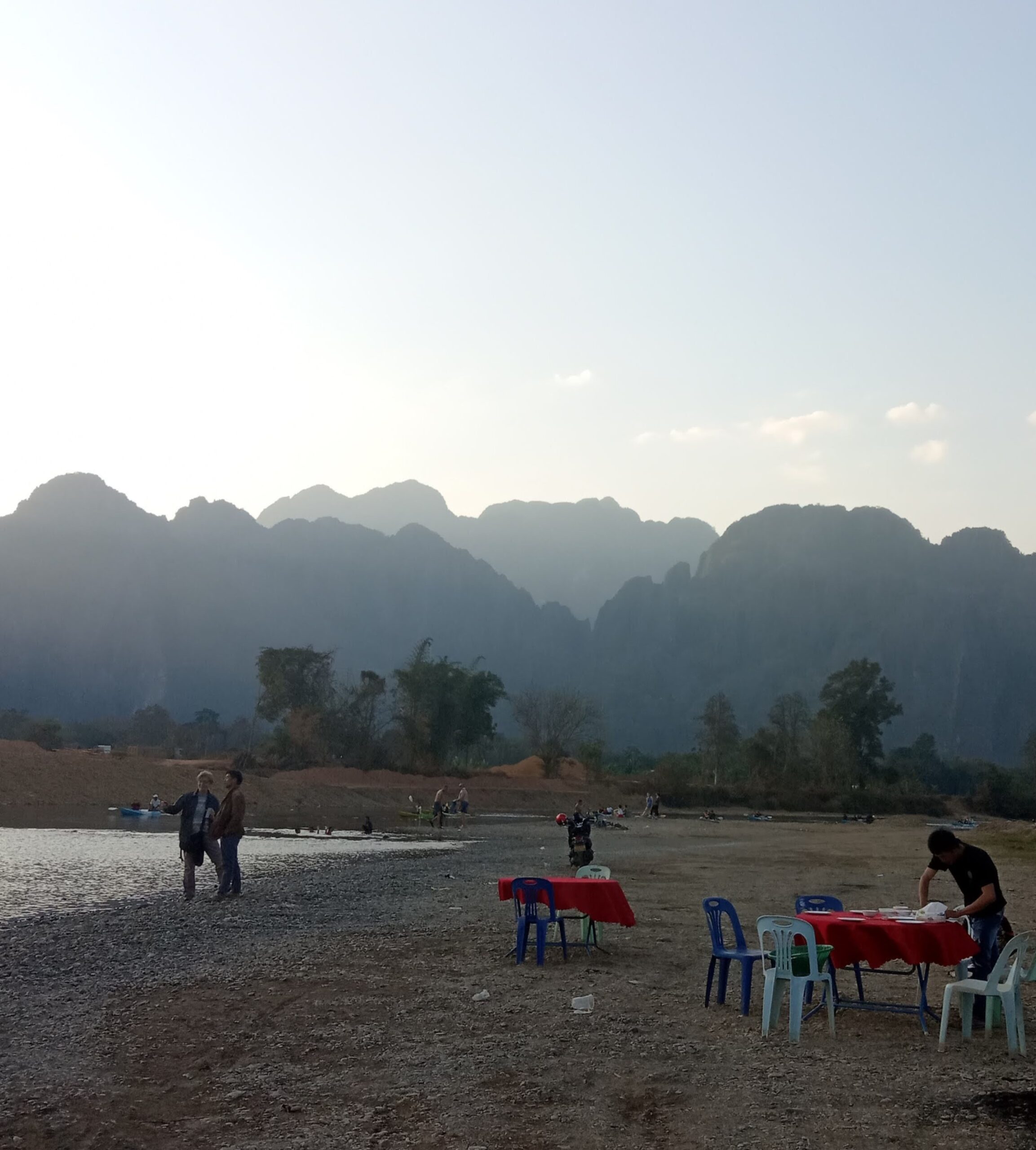
The central and northern part of Laos is known for the limestone mountains full of beautiful caves, so most of the activities here will include caving. I booked a day tour in Vang Vieng including Elephant Cave, Water caving, Lunch, Kayak Canoe, Zypeline and Blue Lagoon, for the price of 240.000 KIP. We started at 09.00h and came back at 17.30h, it was a full day but with enough time for all the activities. The first stop was at the Tham Xang (Elephant Cave), located 14 km north of Vang Vieng, on the opposite banks of Nam Song. Honestly, the cave is not so impressive it’s more like an entrance into the mountain. But it’s an important Buddhist Temple having a huge footprint of Buddha who traveled here in the past.
We walked for 15 minutes through the village nearby and we arrived at the Snail Cave where we did water caving. I was the only one from the group not knowing to swim, of course, I wore a vest all the time but it wasn’t really necessary because the water is not deep. So we took big tubes and we followed the guide being connected through strings. We explored the beautiful limestone corridors of the cave for approximately one hour. Be aware, the water is super cold, I wouldn’t recommend it for young kids. But the silence and the wonderful formations of the walls reflecting in the water are creating a mysterious vibe that is taking your breath away. I felt like an explorer in one of Jules Verne’s novels.
Afterward, we had a delicious lunch in this beautiful scenery and we drove to the starting point of Kayak canoeing. So we came back to Vang Vieng by kayak on the Nam Song River on a trip of almost two hours. The river is surrounded by striking karst rock formations. Upstream from Vang Vieng, numerous bars have been built on the river’s banks to attract the tourists floating by.
In the middle of our kayak adventure on the river, we stopped for the zipline activity. I was sure that it will be one round but it turned out to be a circuit of 7 different zip lines with transfers where we had to climb too. As a beginner, this circuit was too much for me but with a lot of patience of the guys working there, I finished it. Anyway, most of the time I had the eyes closed because I felt too much dizzy. When I was brave enough to open my eyes the scenery was absolutely wonderful and I was asking myself why I was screaming so much. We spent more or less in an hour there and then we continued our journey in the river to Vang Vieng, arriving in the center around 15.30h.
The last activity of the day was going to the Blue Lagoon1. It seems that Vang Vieng is known for its idyllic blue lagoons, beautiful turquoise pools with super cold water and many fishes inside. I was mesmerized by the color of the water and by the idea to be inside the water with so many fishes. Of course, the water was too deep just play around so I had to ask help to reach the swing in the middle of the lagoon. The fishes were coming to my feet…it was a super fun experience. I will totally recommend it even if you don’t know to swim. It was a wonderful full day of new activities for me that gave me the chance to face some of my fears. I think the price was quite balanced for all these experiences and the guides were pretty funny and nice.
10 places to visit in Vientiane- February 17, 2020
Vientiane is one of the quietest capital that I’ve ever visited. It’s not so crowded, you won’t see too many new buildings or too many tourists. If you want to have a chill break of touristic places in Laos, you should come to Vientiane. Even though there are some things to see around, I’ve spent four nights in Vientiane and I wasn’t bored at all.
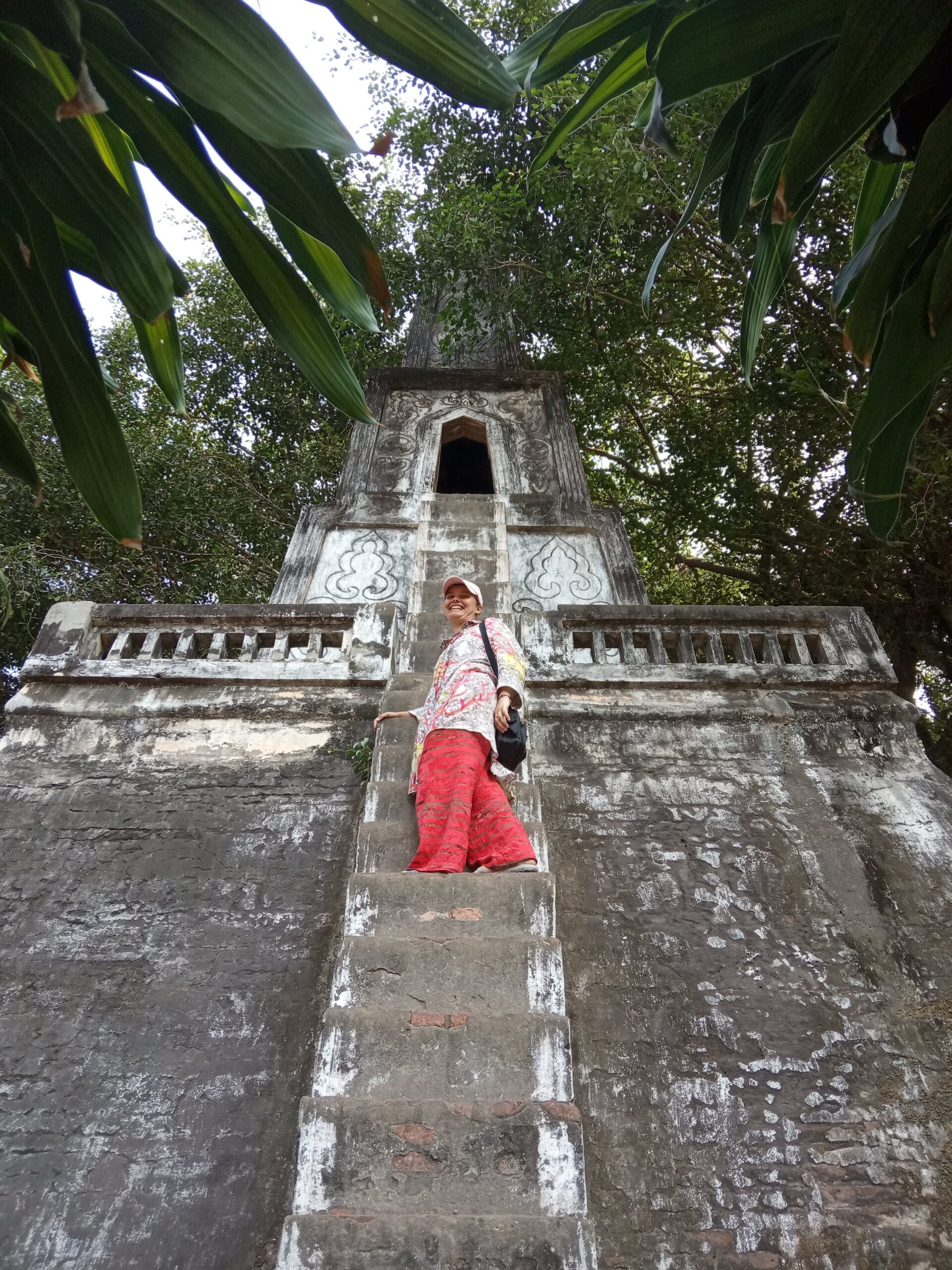
- Patuxay Monument. Considered a Victory Gate, Patuxay is one of the most famous landmarks of Vientiane, being located in the center, at the end of Lane Xang Avenue. The monument was built in the 1960s in the memory of all those who fought in the wars of Laos. From 10.00 am to 16.00 pm, you have the chance to go on the rooftop of the gate and see the panorama. The price of the ticket is 3000 KIP.
- COPE Visitor Center. If you want to have more pieces of information about the consequences of the Vietnam War in Laos, I recommend you to visit this center for free. I reserved an entire article about this visit because it had a big impact on me.
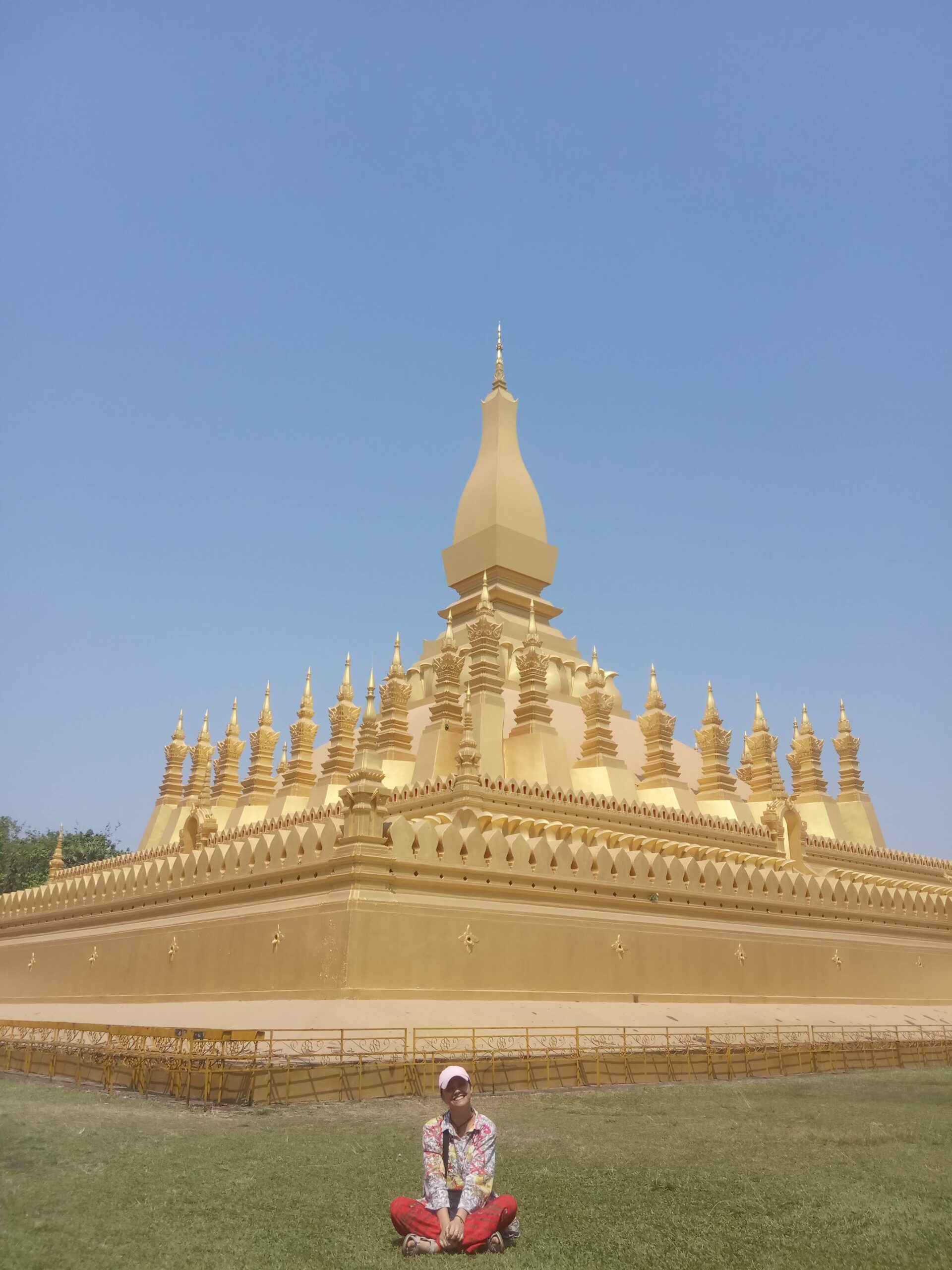
- Pha that Luang Stupa. Known also as the “Great Stupa”, this temple is the most important Buddhist monument of Laos. They say that the golden temple enshrines a breast bone of the Buddha. That Luang is officially named Pha Chedi Lokajulamani, which translates to “World Precious Sacred Stupa”. The ticket price is 10.000 KIP, the price for all the famous temples in Vientiane.
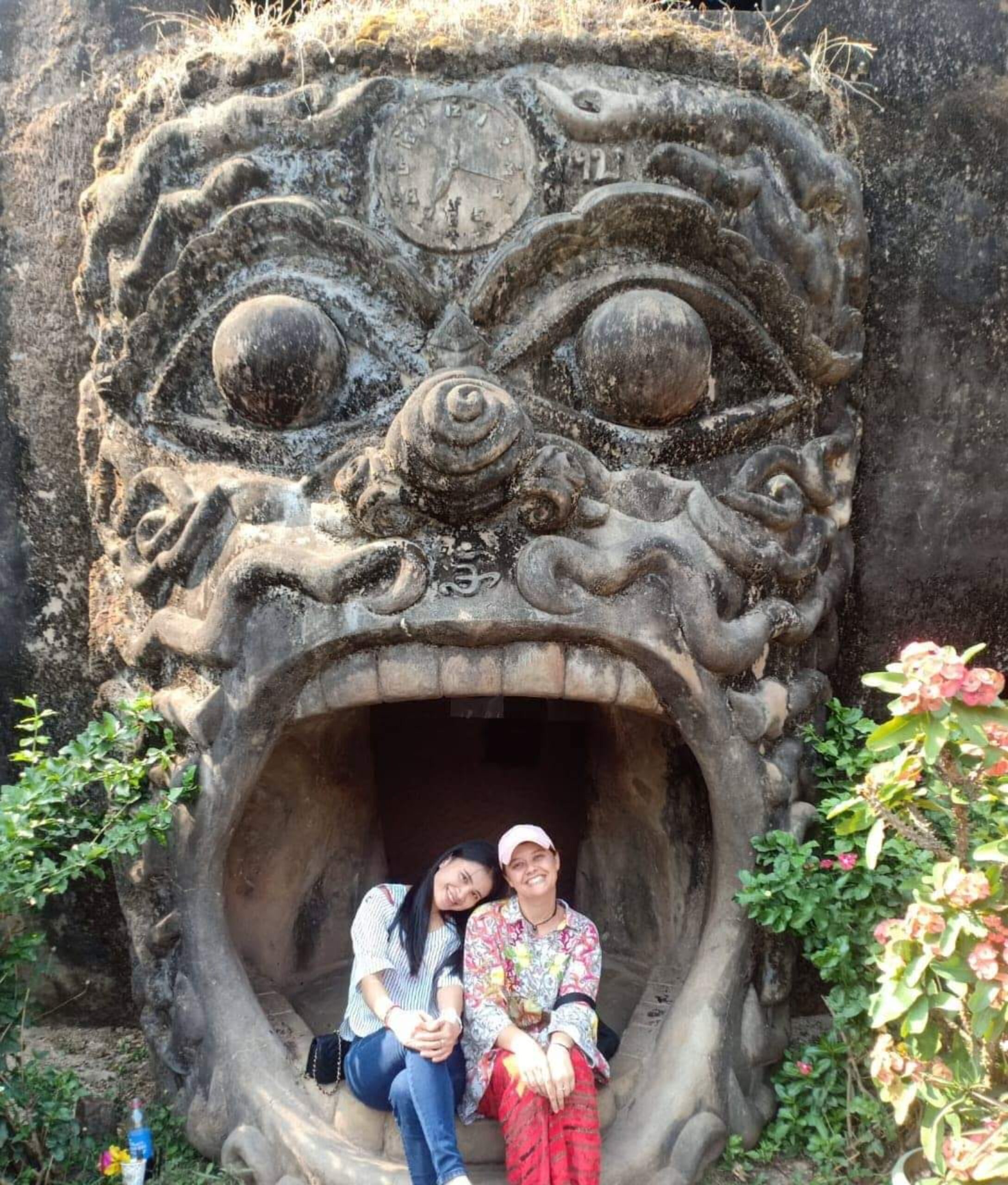
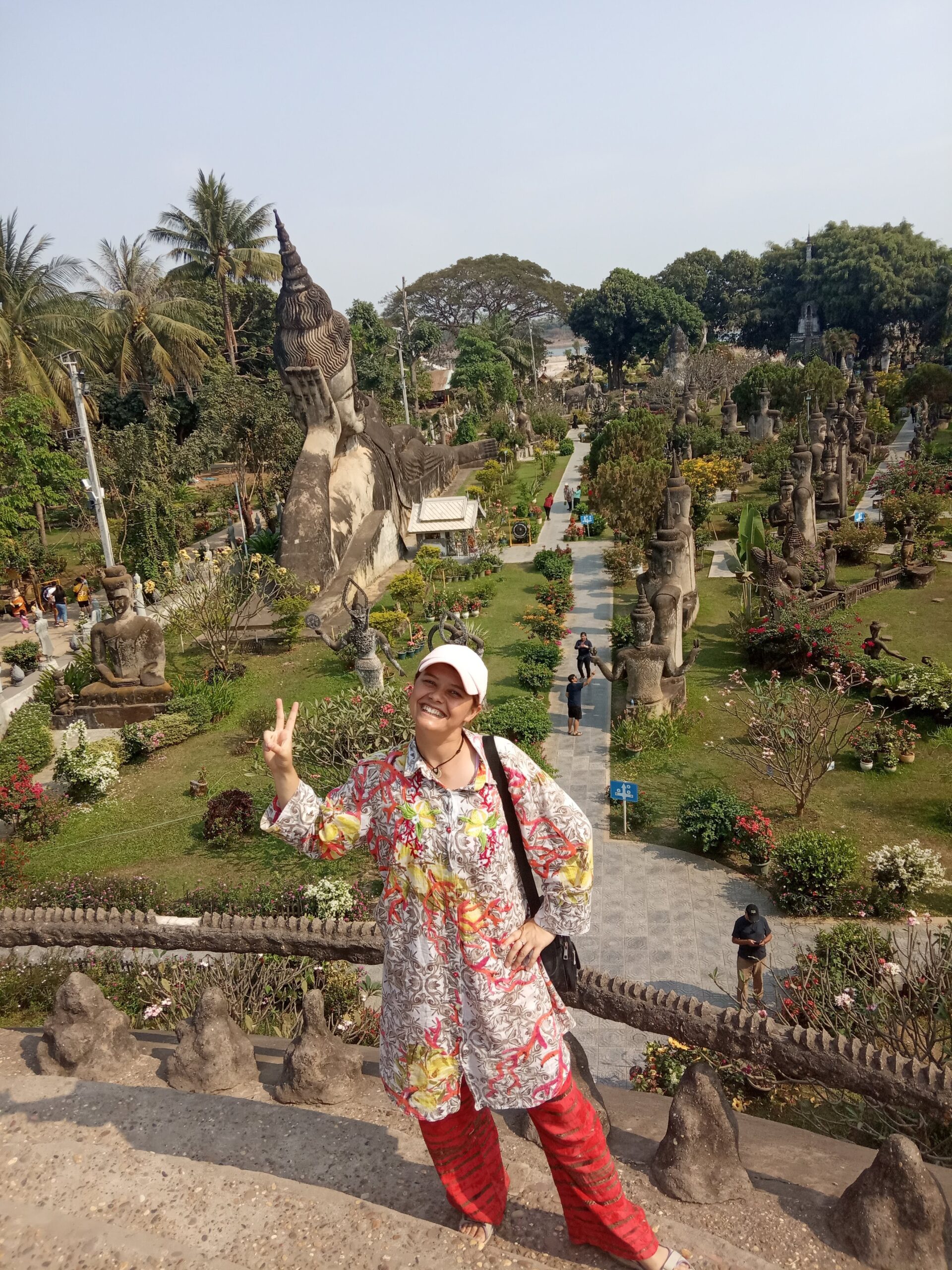
- Buddha Park. Also known as Xieng Khuan, Buddha Park is a sculpture park located 25 km southeast from Vientiane, along the Mekong River. So there is no temple, only a series of 200 Buddhist and Hindu sculptures, having in center a 40 meter-long reclining Buddha. Another notable sculpture illustrates the journey from Hell to Heaven through Earth. The visitors enter through a huge demon’s mouth and climb the stairs to Earth and then to Heaven. The ticket price is 15.000 KIP for foreigners.
- Lao Disabled Women’s Development Center. Being interested in social work, I was guided to visit this center and I could have seen all many beautiful powerful women very talented in doing crafts, designing or weaving. The LDWDC is a non-profit organization run by Lao women with disabilities for Lao women with disabilities. Their goal is to assist people to cope with their disability and advocate for the rights of women with disabilities because too often people’s attitudes are a bigger challenge than the disability itself. Visiting the center is free but I kindly encourage you to buy some of their wonderful products because you’ll have a nice memory from Laos.
- Wat Si Saket Temple. It’s the oldest temple of Vientiane built-in 1820 as a Buddhist Monastery. The construction is quite special because it kept its original form. The temple is housing around 10000 pictures with Buddha that’s taking photographs inside the sim is not allowed to protect the ancient murals from the flashlight. The ticket price is 10000 KIP too.
- Lao Textile Museum. If you want to find out more about Lao traditions, I advise you to visit this museum, a big yard with traditional houses, where you could see women weaving and their products. Visitors can also see ancient household utensils. The Exhibition is displayed in a wooden house of typical Lao style, amidst peaceful and pleasant surroundings and gardens of flowers. The museum is open from 09.00 to 16.00 and the ticket price is 30000 KIP.
- Night Market. The Vientiane Night Market takes place along the Mekong Riverfront, where you can see rows of red-roofed stalls selling handicrafts, clothes, and electronics. If you need something for your traveling is cheap to buy it from there. Otherwise, the market is not so interesting, most of the stands have the same products. The market’s open from 06.00 pm to 9.30 pm.
- Morning Market. Talaat Sao, or the morning market of Vientiane, offers a great selection of local products from the traditional sinh to jewelry, scarfs or bowls.
- Sunset on the Mekong riverside. One of the best sunsets in my life was in Laos along the Mekong River. I saw it in Thakhek and in Pakxane but it’s wonderful in Vientiane too. During the evening there are many peoples coming for sport and also to walk in the night market. It’s such a warm experience to see the red beautiful sunset of Laos!
10 meaningful things to do in Luang Prabang – February 20, 2020
Luang Prabang, “the city of the Golden Buddha Phra Bang”, is definitely the most visited place in Laos, is known for its many Buddhist temples and for the beautiful nature around the city. I’ve spent 5 nights in Luang Prabang on a low budget, avoiding all the expensive tours, but I had a wonderful trip.
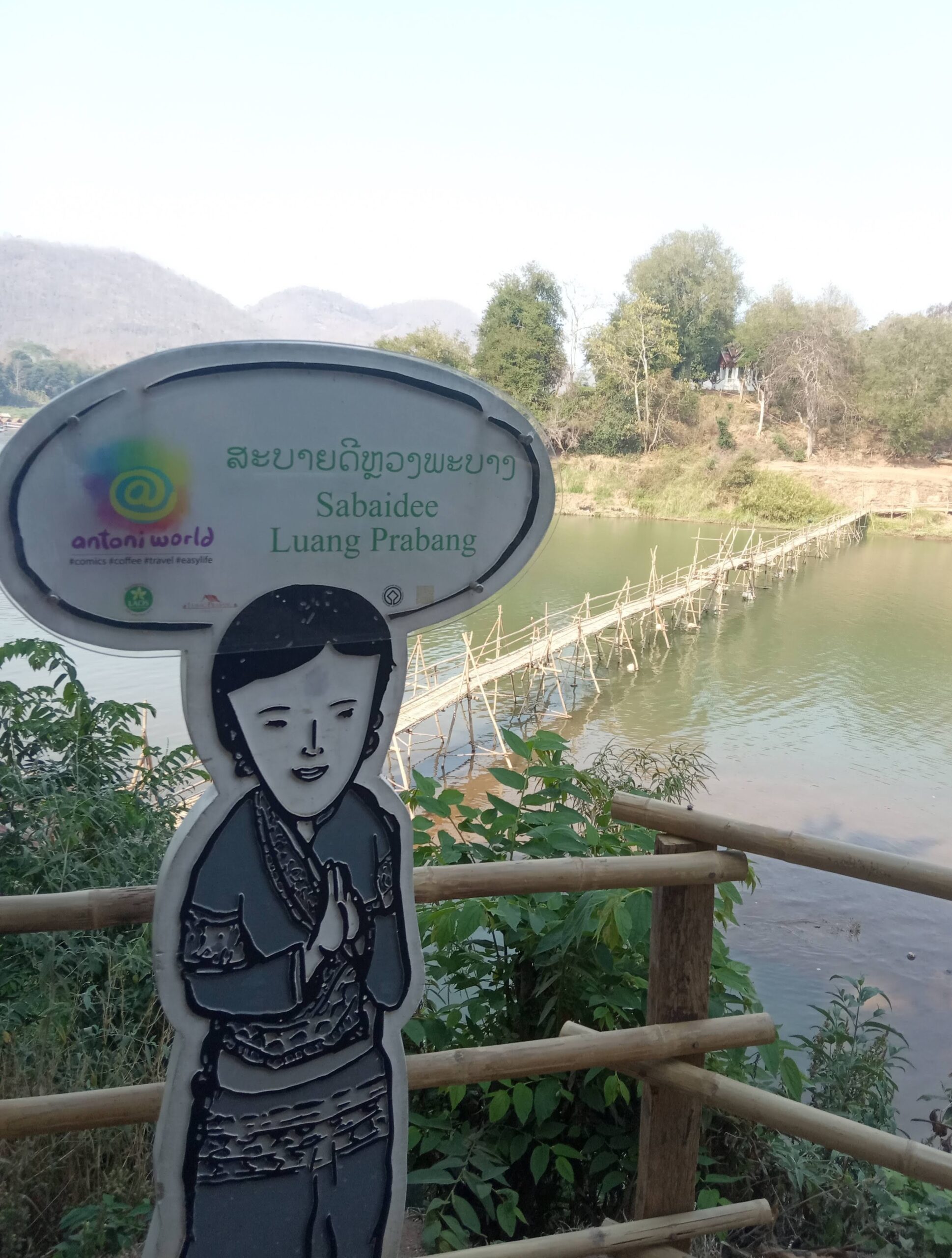
- Seeing the sunset from the viewpoint on the other side of the first Bamboo Bridge. The sunset in Laos is amazing, I traveled along the Mekong River in Laos and I saw it many times, I could say it’s one of my precious memories in this country. So on my first evening in Luang Prabang, I crossed the first Bamboo bridge for 10.000 KIP and I witnessed a beautiful red sunset nearby the Mekong River. It was a perfect introduction to the atmosphere of this place.
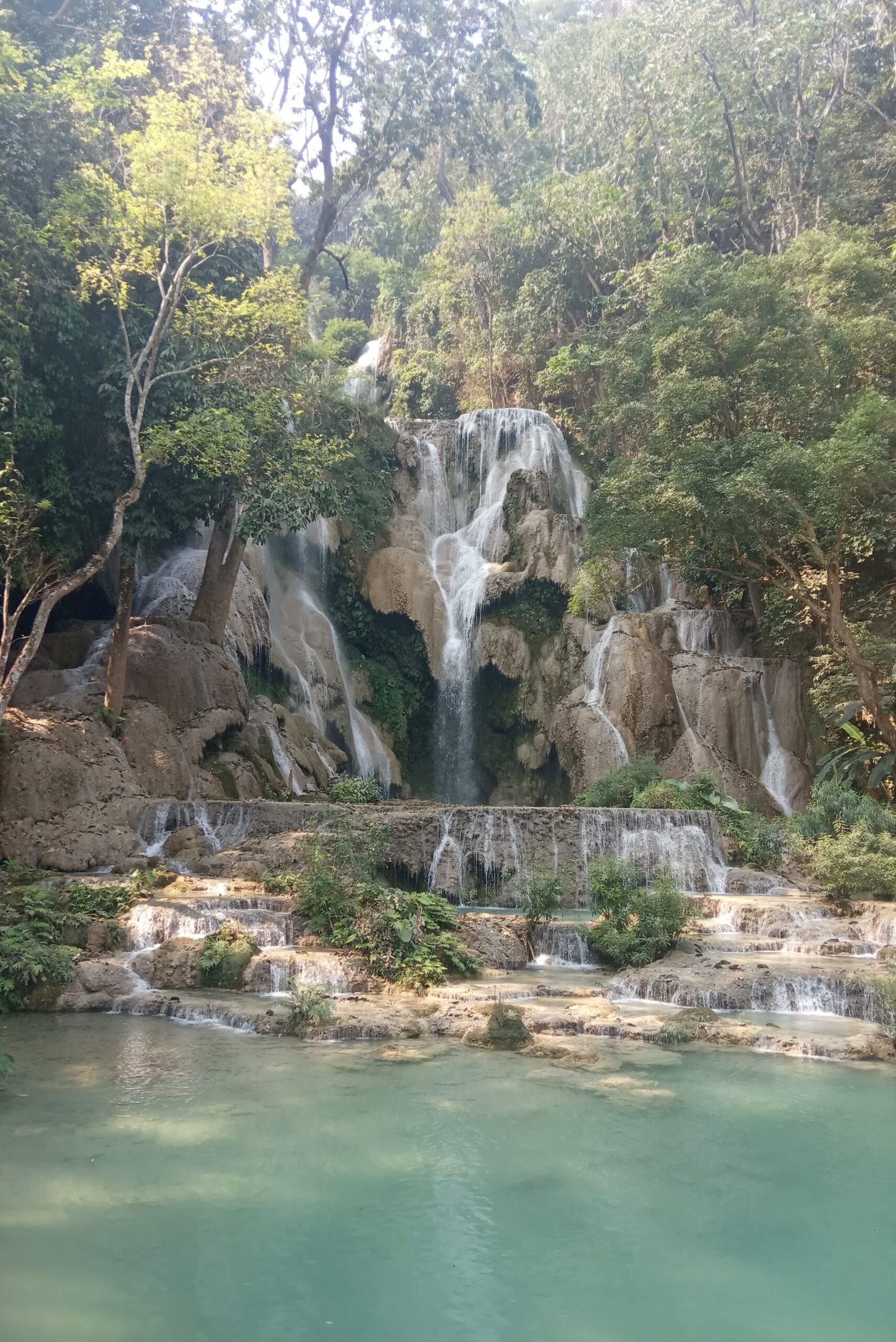
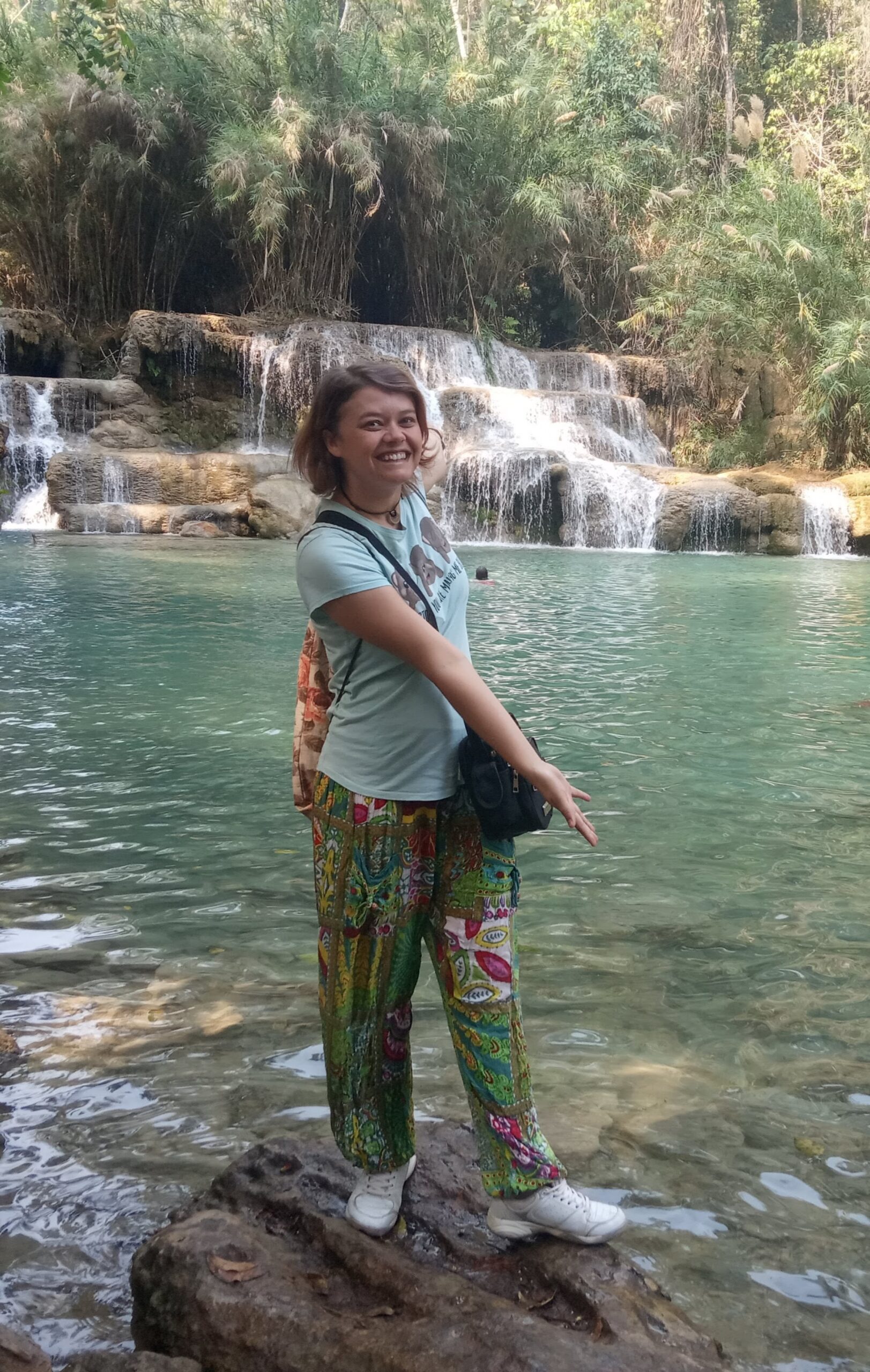
- Enjoy a few hours at the magnificent Kuang Si Falls. The most breathtaking waterfall that I’ve ever seen, Kuang Si is special for its beautiful blue water. Why??? The water flows over many limestone stones on its journey. The limestone particles containing a high level of calcium carbonate which reflects the light making the water appear for us a stunning blue turquoise color. I’ve spent there two hours and a half going by minivan for the price of 30.000 KIP. You have also the possibility to take a bath in some spots of the waterfall if you enjoy swimming. Nature around, the color of the water and the silence of the tourists in front of this natural wonder will make your travel there great.
- Get informed about the situation of Moon Bears in Laos. Close to the Kuang Si Falls, there is the biggest Bears Sanctuary of Laos open by the organization “Free the bears” where are Lao Moon Bears rescued from the illegal wildlife trade. You can contribute to their initiative of building a new sanctuary by donating or buying a T-Shirt with their logo. Moon Bears have a protected status which means international trade in live bears or parts of their body is illegal and punishable by law. Bears are being poached for the use of their paws, claws, and gallbladder in traditional medicine. I had the chance to see the bears around their lunchtime when they had to find the vegetable and fruits hidden by the caretaker. Smart, funny and beautiful creatures are these moon bears and I kindly invite you to help the organization to continue their work.
- Interact with the locals at the Big Brother Mouse English Center. This is an amazing opportunity to get in touch with local people that want to exercise their English. Every evening from 17.00h to 19.00h, Big Brother Mouse opens its door for tourists that want to have a different kind of experience in Luang Prabang. I enjoyed the time there because I had the chance to understand better the situation of young people in Laos who are struggling to get a job even if they have university studies. Lao people are smiling in an open, beautiful way even if they talk about their challenges so I was grateful to meet them there. I had the opportunity to learn a few words in Lao too and I bought a mini conversational guide in Lao maybe I’ll come back to this wonderful country.
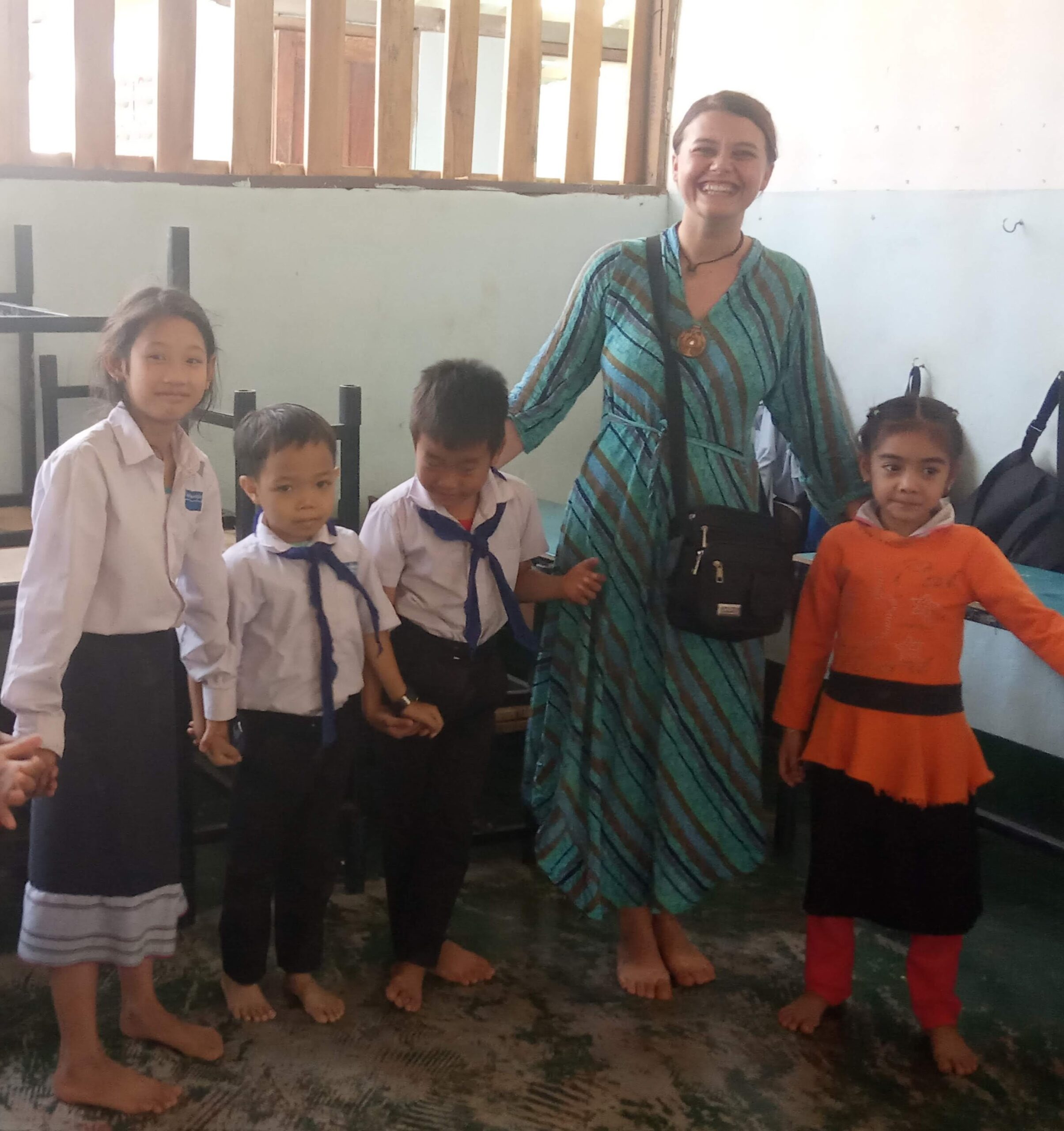
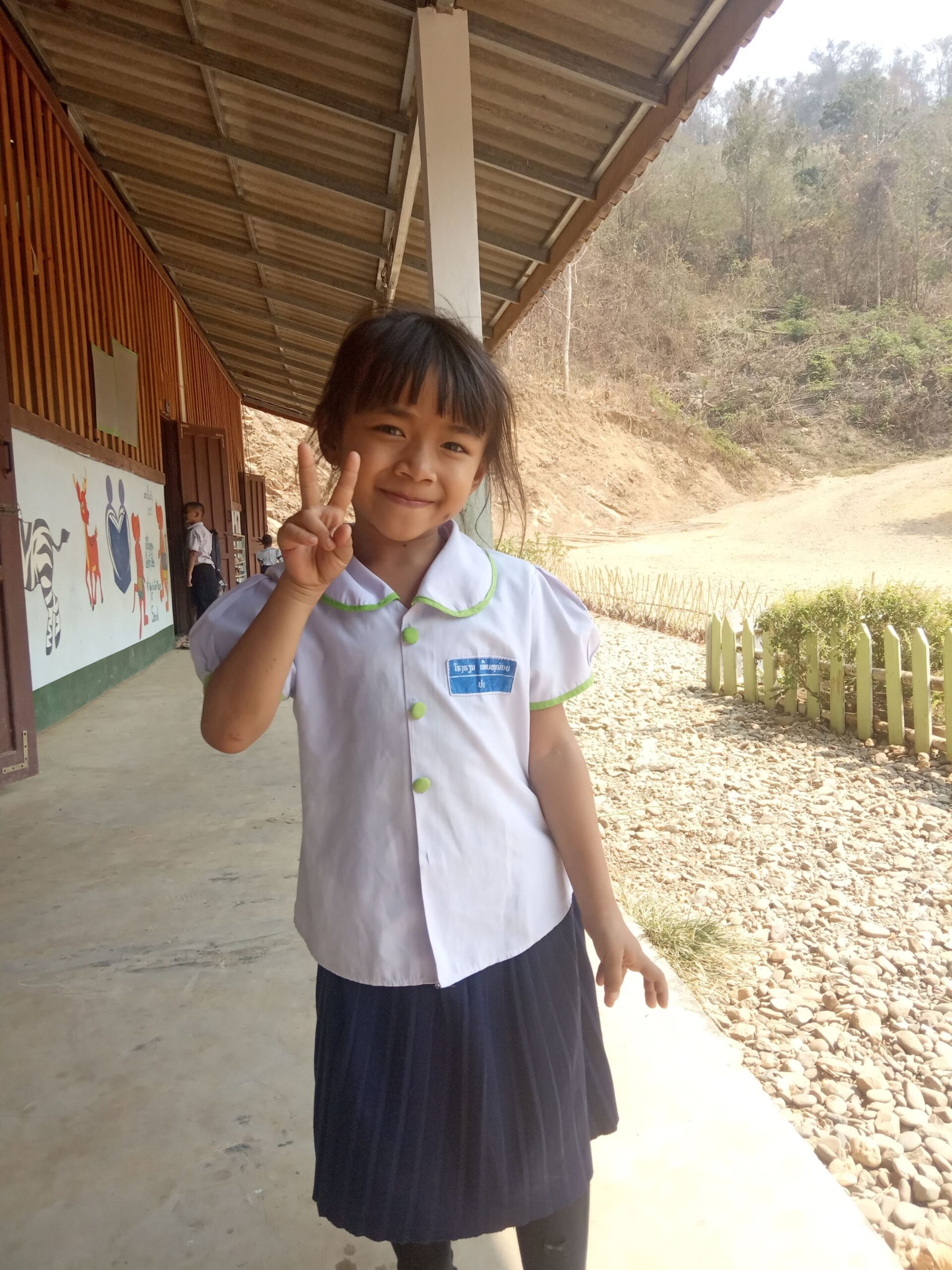
- Volunteering for one day at Big Sister Mouse English School. If you enjoyed the experience in Big Brother Mouse, you could spend one full day in one of their English Schools in the countryside. It was one of the best days in Luang Prabang because I was surrounded by kids from 09.00 to 16.00h. In the morning, I worked with the preschool kids having short activities with all the classes including singing, playing an interactive story reading. After an amazing traditional lunch, we worked with the primary groups organizing short activities including gey to know each other, singing, card games and dancing. They will explain to you how to interact with the kids and how to use their materials if you don’t have experience with kids. In order to cover the transportation costs and lunch, you could contribute to an amount of 100.000 KIP but it’s not mandatory.
- Visit the National Museum of Luang Prabang. If you’re interested in History, attracted by the traditional royal artifacts and curious about the Royal Familly before 1975, you should visit this Museum. It’s good though to be aware that you can’t take pictures inside so the visit is becoming even more worthy. The price ticket is 30.000 KIP and the yard is an amazing place to spend some time on your own.
- Have a short hike in the heart of the city on Mount Phou Si. It’s the highest hill in Luang Prabang, an amazing spot to watch the Laotion sunset. The only inconvenience is the crowd of the people coming there for the same reason. Anyway, it’s worthy to climb it and to enjoy the beautiful panorama of the city. You’ll pay 20.000 KIP to get there but I advise you to come around 16.00h in order to have a good spot for your pictures.
- Walking through the Night Market. The markets in Laos are amazing because you can notice that it’s not only a business but a real way to help the locals to have an income. You’ll see there many traditional products and good street food to buy. It’s open between 18.00h to 21.00h in the center of the city. One thing that impressed me was that there were many kids with their mothers probably because they didn’t have other persons who could take care of them. From the traditional Lao costume to scarfs, souvenirs, strong traditional drinks to traditional soap or other cosmetics, you have what to choose as gifts for the dear ones.
- Discover Heuan Chan, one of the few surviving traditional houses in Luang Prabang. The home consists of an open terrace, a covered veranda that served as a reception area, a ritual room, bedrooms, and a kitchen and work area. You’ll find out more about the hospitality rituals of Lao people and about their traditions. At the end of your visit, you could spend some time in their yard drinking an amazing Butterfly pea flower tea. The entry fee is 15.000 KIP but the atmosphere is magical, I’ve spent there half a day.
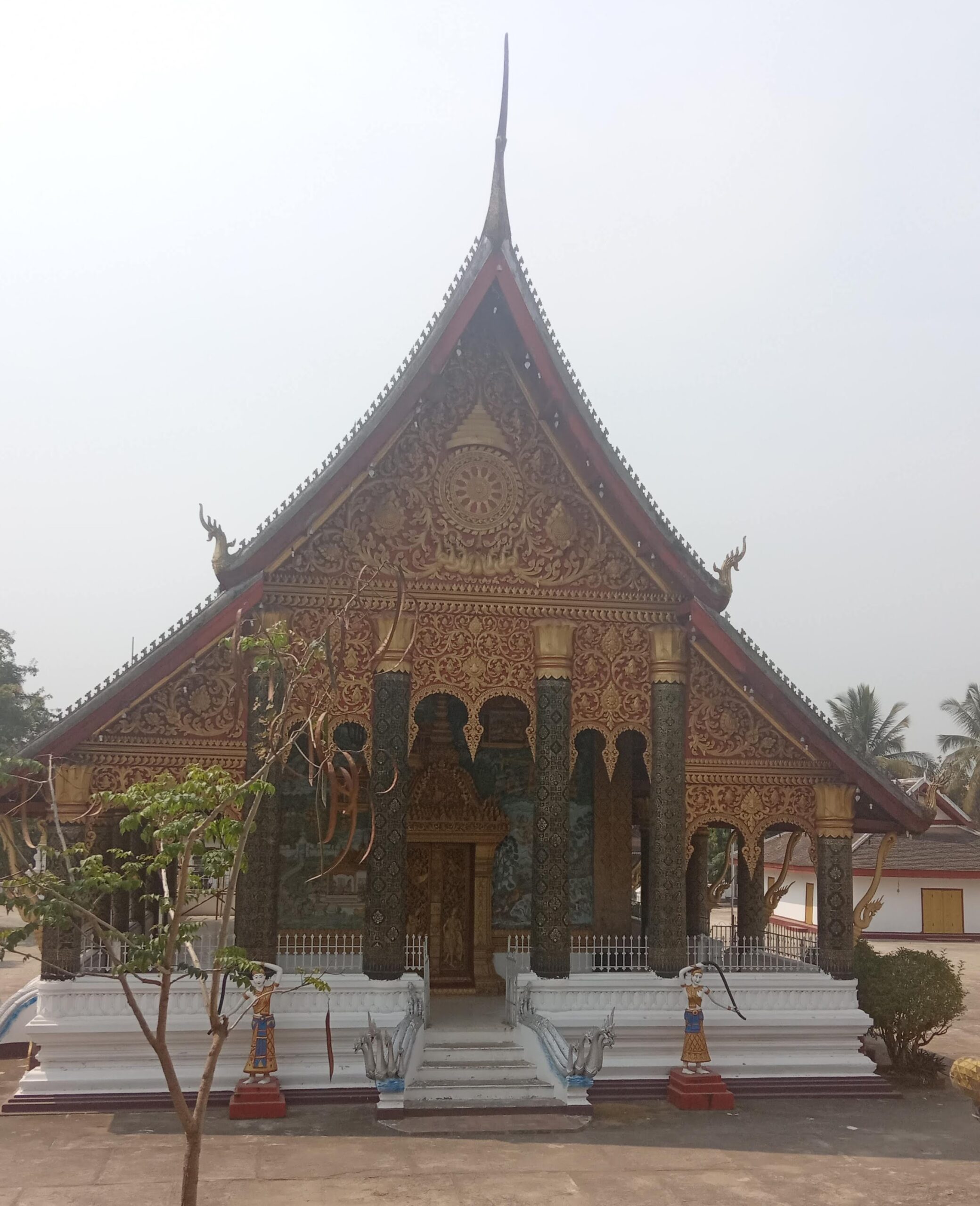
- Be amazed by the architecture of the Luang Prabang temples. Former Royal Capital, the city of Luang Prabang was designated as a UNESCO heritage in 1995, is the home of more than 30 Buddhist temples or wats that take the attention of the visitors. Honestly, at some point, I become immune to their beauty because there are too many of them in Laos but I recognize their historical and spiritual value. I recommend to visit them starting with the Royal Temple, built to house the Phra Bang Buddha, for which the city of Luang Prabang is named.
My travel itinerary in Laos – February 25, 2020
- Savannakhet – 1 night. Why did I choose to start my journey in Laos from here? Simply…I didn’t find another bus from Da Nang to Laos. I’ve spent almost one week to research and ask about the buses to Laos, my initial plan was to start from Pakse but due to the Luna New Year and to the crisis with the Corona Virus, I consider myself lucky that I found this option. The bus was 400.000 VND and the travel was around 11 hours with the stop at the border too. I applied for a visa on arrival at Densavanh crossing point that cost me 30 dollars. Savannakhet was a location where I’ve met my first Lao people and where I realized that google maps won’t be too helpful in Laos.
- Thakhek – 3 nights. I decided to skip the south of Laos for this trip and I continued my journey from Savannakhet to Thakhek heading north step by step. This is one of the oldest French cities in Laos, along the Mekong River. The center is quite picturesque full of old french houses but the city is known as a starting point for the loop of caves and hikes in central Laos. Traveling alone this loop didn’t attract me too much but in Thakhek I got in touch with some locals and I could have visited Buddha Cave and some villages around.
- Pakxane – 3 nights. One of the girls met in Thakhek was from Pakxane so I decided to have a stop in this town too. If in Thakhek, I’ve met a few backpackers willing to ride around, Pakxane is not touristic at all. So I could say that for three days, I lived like a local. This place is so special for me because of the people that opened it to me.
- Vientiane – 4 nights. The first big city of Laos visited after one week in this country. As I expected, even the capital has a lot of rural vibe in a good way. I loved that it wasn’t too crowded and that they preserved many historical buildings. I’ve visited some museums to get in touch with the history of Laos and I took my time to relax. Vientiane is a chill city, Touristique but not too much so for me it was a great time.
- Vang Vieng – 3 nights. In the beginning, it wasn’t on my list but other backpackers recommended it to me. I understood why there…this place is designed as a party zone. I avoided this but the nature around it’s amazing and the activities proposed are pretty cool. As I wrote before, Vang Vieng was a place where I decided to face some of my fears.
- Luang Prabang – 5 nights. I ended my travel to Laos with the most famous city and the most tourist place in Laos. I wasn’t so annoyed by the presence of so many tourists because somehow I’ve always found a place of quiet there. Even in the heart of the city, I found a historical house with a beautiful garden where I could spend some time on my own. You have a vast list of choices with things to do in Luang Prabang but it depends on your budget, read my other article where I shared more pieces of information about my time there.
After Laos, my plan was to head to Myanmar. However, I couldn’t find clear information about whether foreigners could cross the border between the two countries, so I decided it would be easier to travel through Thailand first. From Luang Prabang, I booked a bus to Chiang Mai, in northern Thailand, through my hostel for 340,000 KIP. Be warned: this is not a direct bus, and the journey was chaotic! We left Luang Prabang at 5:30 p.m. and were told on board that we would stop around 6:00 a.m. Once there, we waited more than two hours for a van to take us to the Lao border. We then switched to another van to cross to the Thai border, followed by a minibus to Chiang Mai, with a stop in Chiang Rai along the way. By the time I reached my hostel in Chiang Mai, the journey had taken exactly 24 hours.