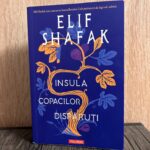
The place I’d most like to visit in Elif Shafak’s Cyprus is a tavern with a hole in its roof with a fig tree growing through it. Below its branches, Kostas, a Greek Cypriot teenager, and Defne, a Turkish Cypriot teenager, can sit together in secret. It’s 1974, and for a little while the tavern lets them be two people falling in love.
Decades later in north London, their sixteen-year-old daughter Ada has never been to Cyprus. When she starts asking about the island, a fig tree in the family garden turns out to know more than anyone has told her. Shafak gives the tree a voice, and it has a longer memory than any of the people around it. That’s the thread I’d follow through Nicosia, with one final stop in London.
Elif Shafak and the stories families keep
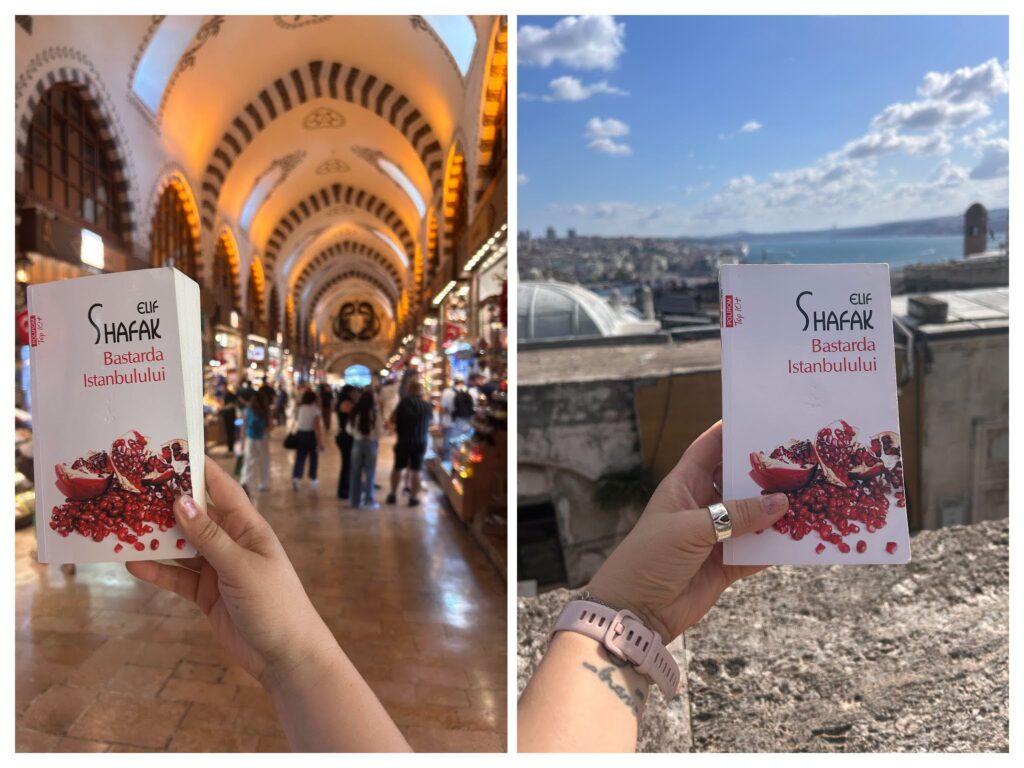
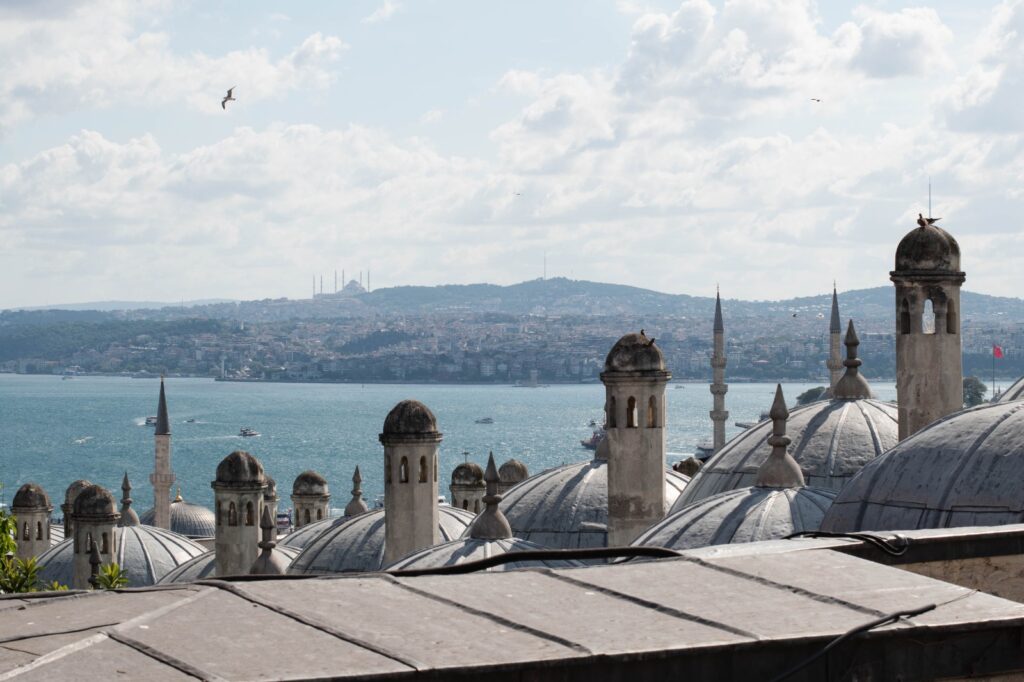
Elif Shafak is a British-Turkish novelist who was born in Strasbourg, spent part of her youth in Ankara and Madrid, and lives in London. She writes in Turkish and English. Istanbul is one of the places I associate most closely with her work. In The Bastard of Istanbul, two young women approach a family history shaped by silences about the Armenian genocide. In The Architect’s Apprentice, we see the Ottoman capital through the eyes of a boy who arrives with a white elephant and becomes an apprentice to the architect Sinan. Shafak draws me into a city by letting me spend time with people who know very different versions of it.
From the Happy Fig to a garden in London
The tavern has a name, the Happy Fig. Its owners, Yusuf and Yiorgos, make room for Kostas and Defne to meet, and their own relationship gives the book a second love story. The tavern has its own everyday life, right down to a resident parrot called Chico. These details make the place feel lived in. When violence tears through Cyprus and the young couple are separated, you can picture the particular people and rooms they stand to lose.
In London, Ada is grieving her mother. One day at school she lets out a scream she struggles to explain. At home her father, now a botanist, knows how to protect a fig tree through winter, but he struggles to talk with his daughter about what they’ve lost. Then Defne’s sister Meryem arrives. Ada has never met her aunt, and the recipes and sayings Meryem brings with her give Ada a way into a family history she’s barely heard aloud.
The fig in the London garden grew from a cutting Kostas brought from Cyprus. I love the detail that a piece of the old tree can take root somewhere new and still need help getting through an English winter. Shafak lets the fig tell parts of the story in its own voice, with room for birds, insects and the seasons alongside the dates people remember. It’s the voice I’d want in my head while walking through Nicosia, especially on the streets where the city’s history feels closest.
1. Leventis Municipal Museum
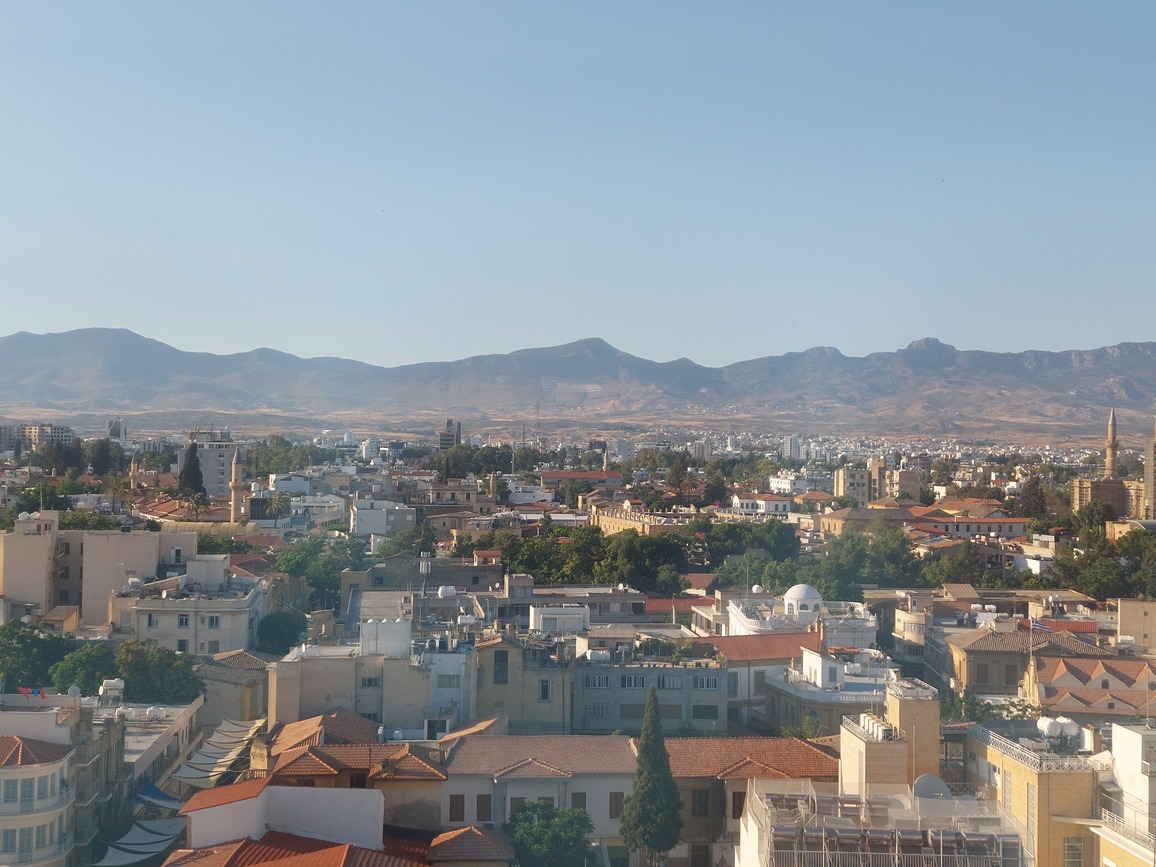
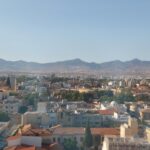
I’d start in the old town at the Leventis Municipal Museum. Its maps, photographs and everyday objects place 1974 within a much longer history of the city. Spend a little time with the old maps before walking to Ledra Street. It helps to picture Nicosia as a place where people went to work, bought food and visited friends before thinking about what it meant to have familiar routes cut off.
2. Ledra Street — where the walk changes
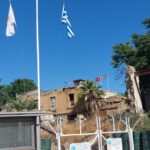
On Ledra Street, a walk through the shopping district brings you to a pedestrian crossing on the Green Line. This crossing opened in 2008, decades after the summer in which Kostas and Defne meet. I’d walk through the old town on both sides and give myself time to get a little lost in its lanes. The book makes me think about how much of belonging to a city consists in small freedoms, including being able to meet someone for dinner without arranging it in secret.
As of November 2026, Nicosia remains divided, and the UN-patrolled buffer zone known as the Green Line narrows to just a few metres in parts of the old city. At Ledra Street, pedestrians can cross between the two sides. In November, Greek Cypriot and Turkish Cypriot leaders agreed to open two more crossing points elsewhere on the island as part of a UN-backed effort to restart settlement talks.
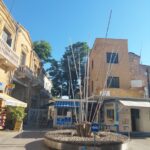
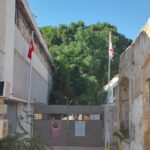
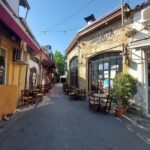
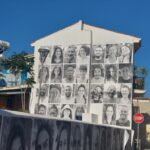
3. The Home Café — coffee near Ledra Palace
From the Ledra Street area, I’d head west towards Ledra Palace for coffee at the Home Café. The Home for Cooperation opened in 2011 in the UN buffer zone and brings people together through cultural and educational programmes. This is where I’d reread the tavern scenes. Shafak’s fictional tavern gives two teenagers somewhere to talk. At the café, with its bookshelves and tables, you can see what it takes to make room for ordinary encounters in a divided city.
A London epilogue at Kew Gardens
Ada’s story happens in north London. For the final stop, I’d go southwest to Kew Gardens, where an edible fig (Ficus carica) grows near Kew Palace. Kew lists Cyprus within the species’ native range and August to October as the best months to see fruit on its specimen. I’d close the book at Kew thinking about the fig tree that grew through the tavern roof in Nicosia. A cutting was enough to bring a piece of Cyprus to London.